Elevating Digital Design: The Strategic Value of a Beautiful Floral Vector Pack
In the rapidly evolving landscape of digital design and brand identity, the distinction between professional polish and amateur execution often lies in the quality of foundational assets. For professionals, creators, entrepreneurs, marketers, freelancers, and enthusiasts alike, the search for versatile, high-quality graphical elements is a constant pursuit. Among these resources, a Floral Vector Pack has emerged as more than just a decorative afterthought; it has become a strategic tool for communicating elegance, organic growth, and sophisticated aesthetics across various media. As visual communication trends shift toward softer, more human-centric design languages, understanding how to leverage these assets effectively is crucial for maintaining relevance and engagement.
The Renaissance of Organic Aesthetics in Digital Spaces
We are currently witnessing a significant pivot in consumer preferences and market trends. After years dominated by stark minimalism, brutalist web design, and hyper-technical aesthetics, there is a palpable return to nature-inspired motifs. This is not merely a cyclical fashion trend but a response to an increasingly digitized lifestyle. Consumers are seeking warmth, authenticity, and tactile experiences even within digital environments. A beautiful Floral Vector Pack serves as a bridge between the cold precision of digital interfaces and the organic warmth that modern audiences crave.
This shift is particularly relevant for industries such as wellness, sustainable fashion, artisanal food and beverage, and boutique hospitality. However, its application extends far beyond these traditional niches. Tech companies and financial institutions are increasingly incorporating botanical elements to soften their brand image and appear more approachable. In this context, floral vectors are no longer just "pretty pictures"; they are functional components of user experience (UX) design that guide attention, create emotional resonance, and establish visual hierarchy without relying on aggressive color blocks or heavy typography.
Bridging Hand Lettering and Digital Precision
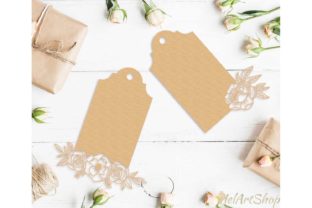
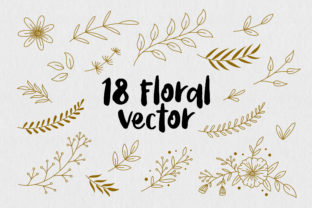
One of the most powerful applications of modern floral assets is their integration with hand lettering and custom typography. There is a growing demand for bespoke branding that feels personal yet remains scalable. You can try overlaying them on your hand lettering or typography for a beautiful and elegant design that balances the idiosyncrasies of human touch with the clean lines of vector art. This technique creates a layered depth that flat design often lacks, transforming simple text into a comprehensive visual mark.
For freelancers and agency designers, this capability addresses a specific workflow challenge: maintaining consistency while delivering uniqueness. By utilizing a cohesive set of floral elements around custom type treatments, designers can create a proprietary look for a client without drawing every single petal from scratch. This efficiency does not compromise creativity; rather, it frees up mental bandwidth to focus on composition, kerning, and overall brand strategy. The result is a harmonious blend where the flora enhances the readability and mood of the typography rather than competing with it.
Technical Versatility: Why File Format Matters
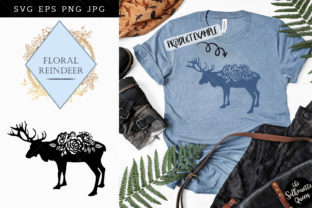
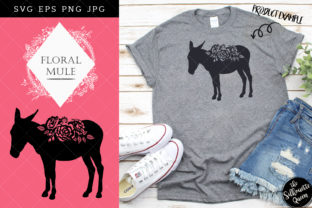
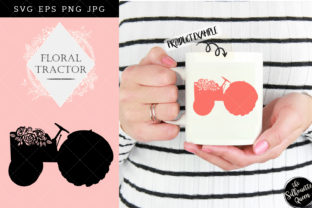
While aesthetic appeal draws designers to a resource, technical specifications determine its long-term utility. In professional workflows, flexibility is non-negotiable. The value proposition of a premium asset pack lies in its adaptability across different software ecosystems and output requirements. Also included are the vector versions and PNG files, so you can easily customize and stamp these guys on anything from business cards to large-format billboards. This dual-format inclusion acknowledges the reality of modern cross-platform collaboration.
Vector formats ensure infinite scalability without pixelation, which is essential for responsive web design and print production. Conversely, high-resolution PNG files offer immediate utility for non-designers, social media managers, or rapid prototyping phases where opening complex vector software is unnecessary. This accessibility democratizes design within organizations, allowing marketing teams to maintain brand consistency even when creating quick-turnaround content, while ensuring that professional designers retain full control for high-stakes deliverables.
Compatibility and Future-Proofing Your Assets
Software fragmentation remains a persistent issue in creative industries. Teams often operate across different versions of Adobe Creative Cloud or alternative vector platforms. Therefore, compatibility is a critical factor in asset selection. Fully editable vector files 1 AI CC15 All elements included editable in Illustrator CC15 and above ensures that users with relatively modern software can access all features without conversion errors. Furthermore, 1 EPS All elements included editable in most vector graphics programs provides a universal fallback that guarantees longevity.
This forward-looking compatibility protects your investment. Design assets should not be disposable; they should be enduring libraries that grow with your practice. By choosing packs that support both native AI formats and universal EPS standards, professionals safeguard their workflows against obsolescence. It also facilitates smoother handoffs between agencies, freelancers, and in-house teams, reducing friction and technical debt during collaborative projects.
The Business Case for High-Quality Botanical Assets
Beyond aesthetics and technical specs, there is a tangible business rationale for investing in comprehensive floral vector libraries. Time is the most expensive commodity in creative production. Sourcing individual elements from disparate free repositories leads to stylistic inconsistency and licensing headaches. A curated Floral Vector Pack offers a unified visual language that accelerates production timelines while mitigating legal risks associated with unclear usage rights.
For entrepreneurs and small business owners, these packs serve as a cost-effective alternative to custom illustration commissions. They provide a level of sophistication that elevates perceived brand value, directly influencing customer trust and conversion rates. In e-commerce, packaging design, and digital advertising, the difference between generic clip art and professionally crafted vector botany is immediately apparent to consumers. It signals attention to detail and a commitment to quality that translates into brand equity.
Adapting to Changing Workflow Expectations
The modern creative workflow is non-linear and iterative. Designers need assets that can be deconstructed, recolored, and reassembled rapidly. The emphasis on "fully editable" components reflects this need for modularity. Unlike flattened images, true vector packs allow for granular customization—adjusting stem thickness, altering petal colors to match seasonal campaigns, or isolating specific blooms for icon sets.
This modularity aligns with the rise of design systems and component-based architecture. Floral elements can be treated as reusable tokens within a larger brand system, ensuring consistency across touchpoints while allowing for contextual variation. As remote work and distributed teams become standard, having a centralized, well-organized asset library becomes even more critical for maintaining coherence without constant synchronous communication.
Practical Applications Across Industries
The versatility of a well-crafted floral collection extends into numerous practical applications that drive engagement and functionality:
- Wedding and Event Stationery: Creating cohesive suites from save-the-dates to signage, where the ability to scale elements ensures print clarity at any size.
- Cosmetic and Skincare Packaging: Communicating natural ingredients and purity through delicate line work that complements minimalist label designs.
- Social Media Content Creation: Using PNG overlays to frame quotes, announce product launches, or add texture to flat photography without requiring advanced editing skills.
- Textile and Surface Pattern Design: Leveraging seamless vector arrangements to create repeat patterns for fabric, wallpaper, or stationery backgrounds.
- Editorial and Publishing: Enhancing book covers, chapter dividers, and magazine layouts with organic accents that break up dense text blocks.
Each of these applications benefits from the inherent scalability and editability of vector formats. The ability to customize color palettes means a single pack can serve multiple clients or seasonal campaigns, maximizing return on investment.
Future Trends in Botanical Illustration
Looking ahead, the role of floral vectors will continue to evolve alongside technological advancements. We are seeing early integrations with generative AI tools, where vector packs serve as training data or base layers for hybrid creation methods. Additionally, as augmented reality (AR) and spatial computing gain traction, 2D floral vectors are being extruded into 3D spaces or used as tracking markers for immersive experiences. The foundational quality of the original vector art determines the success of these advanced applications.
Sustainability messaging will also continue to drive demand. As brands face increasing pressure to demonstrate environmental responsibility, visual cues associated with nature will remain potent signifiers. However, the execution must avoid greenwashing clichés. Sophisticated, nuanced botanical illustrations that reflect real biodiversity rather than generic tropes will distinguish authentic brands from those merely performing sustainability. This underscores the importance of selecting high-quality, thoughtfully designed assets over mass-produced generics.
Conclusion: Investing in Visual Fluency
Ultimately, a beautiful Floral Vector Pack represents more than a collection of pretty shapes; it is an investment in visual fluency. It equips creators with a vocabulary of organic forms that can articulate complex brand values, evoke specific emotions, and solve practical design challenges. Whether you are a seasoned art director refining a luxury identity or an entrepreneur launching your first product line, the right assets empower you to communicate with clarity and confidence.
By prioritizing technical compatibility, stylistic coherence, and versatile application, professionals can transform these botanical elements from mere decoration into integral components of their creative strategy. In a marketplace saturated with visual noise, the thoughtful integration of natural forms offers a pathway to distinction, connection, and enduring relevance. As design continues to mediate our relationship with the world, the tools we choose to shape that mediation matter profoundly. Choose assets that not only meet today's needs but anticipate tomorrow's possibilities.