Floral Frame Papercut Design: Versatile Templates for Digital Cutting and Hand Crafting
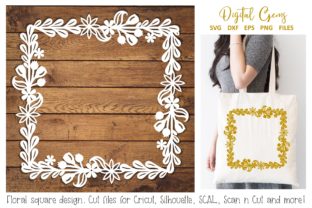
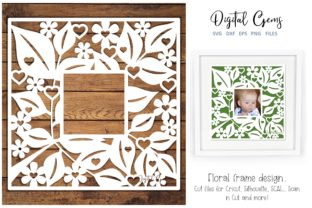
A floral frame papercut design serves as a foundational element in paper crafting, bridging the gap between traditional artistry and modern digital fabrication. At its core, this resource is a vector-based template featuring intricate botanical motifs arranged in a border or enclosure. Unlike a simple clipart image, a true papercut design is engineered with physical integrity in mind. The lines are continuous, the negative space is balanced, and the structural connections are reinforced to prevent tearing during the cutting process. Whether you are loading a mat into an electronic cutter or printing a PDF to slice with an X-Acto knife, the design functions as a precise stencil that transforms flat paper into textured, dimensional art.
The versatility of this specific design lies in its dual-format availability. For users with machines like Cricut, Silhouette, or Brother ScanNCut, the SVG, DXF, and EPS files provide scalable vectors that cut cleanly at any size without pixelation. For those who prefer the tactile meditation of hand cutting or lack access to digital hardware, the high-resolution PNG and PDF print templates offer a guided path. This accessibility ensures that the floral frame papercut design remains a practical tool for everyone from professional event stationers to educators looking for accessible classroom art projects.
Elevating Event Stationery and Wedding Signage
In the world of event planning and bespoke stationery, texture communicates luxury more effectively than ink alone. A floral frame papercut design is frequently utilized to create layered invitation suites. By cutting the frame from white cardstock and mounting it over a colored backing, designers achieve a shadow effect that adds depth to wedding invitations, save-the-dates, and menu cards. This technique allows small business owners in the stationery niche to offer premium "laser-cut style" products using standard blade cutters or hand tools, keeping overhead low while maintaining high perceived value.
Beyond paper goods, these frames translate exceptionally well to signage. Event marketers and DIY brides often use large-scale floral frames as photo booth props or welcome sign overlays. Because the design is vector-based, it can be scaled up to 24 inches or larger without losing edge quality. When cut from rigid materials like basswood, acrylic, or heavy chipboard, the frame becomes a reusable decor asset. The botanical theme is perennially popular, making this a safe yet elegant investment for rental businesses that need inventory to work across spring garden parties, summer weddings, and autumn harvest events.
Commercial Product Customization and Packaging
For entrepreneurs selling physical products, packaging is the first tangible touchpoint with a customer. A floral frame papercut design can transform generic packaging into a branded unboxing experience. Small business owners use these frames to create custom belly bands for soap, candle jars, or artisanal food items. Instead of printing expensive custom boxes, a maker can cut delicate floral sleeves from kraft paper or vellum to wrap around standard containers. This approach reduces waste and allows for seasonal updates; swapping a winter berry frame for a spring peony frame instantly refreshes product presentation without changing the underlying inventory.
This application extends to retail displays and price tagging. Boutique owners often use miniature versions of floral frames as ornate price tags or shelf talkers. The intricate details of a papercut design catch the eye far better than a printed sticker, signaling to the shopper that the items within are curated and handmade. For sellers on platforms like Etsy, listing photos featuring products framed by actual paper cuts tend to perform better because they demonstrate craftsmanship and attention to detail, directly influencing conversion rates through visual storytelling.
Educational Applications and Skill Building
Educators and homeschooling parents find immense value in floral frame papercut designs as teaching aids. For younger students, the printed PDF templates serve as excellent fine motor skill exercises. Following the curved lines of a floral stem with scissors requires hand-eye coordination and patience. For older students in art or design classes, the SVG files introduce concepts of vector graphics, layering, and positive versus negative space. Teachers can use the frame as a boundary for creative writing assignments, poetry displays, or biology diagrams where students label plant parts within the artistic context.
In therapeutic settings, such as art therapy or senior care centers, hand-cutting floral frames provides a focused, meditative activity. The repetitive nature of cutting petals and leaves can reduce anxiety and improve dexterity. Having a pre-drawn template removes the pressure of drawing from scratch, allowing participants to focus entirely on the mechanical act of creation. The resulting artwork offers a sense of accomplishment and can be used in community exhibitions or personal keepsakes, validating the creator’s effort regardless of their prior artistic experience.
Digital Design and Mixed Media Integration
The utility of a floral frame papercut design is not limited to physical substrates. Digital creators, bloggers, and social media managers utilize the PNG and SVG files to enhance virtual content. A transparent PNG frame can overlay blog headers, Instagram stories, or YouTube thumbnails to add organic softness to rigid digital layouts. Unlike raster clipart, the vector nature of the source file means designers can recolor the frame to match brand palettes exactly, ensuring consistency across website assets and printable downloads.
Mixed media artists also leverage these designs as stencils or masks. By placing the cut frame over a canvas or journal page and applying ink, paint, or embossing paste, creators can transfer the floral motif onto surfaces that cannot pass through a cutting machine. This hybrid approach maximizes the return on investment for the digital file. A single purchase yields a paper embellishment, a digital graphic, and a reusable stencil, making it a highly efficient resource for freelancers managing multiple client projects with varying deliverables.
Critical Considerations Before Cutting or Printing
Success with a floral frame papercut design depends heavily on material selection and preparation. Not all papers behave identically under a blade. For machine cutting, users must consider paper weight and grain direction. Intricate floral details require cardstock that is sturdy enough to hold shape but pliable enough to release from the mat without tearing. Generally, 65lb to 80lb cardstock offers the best balance for detailed frames. Heavier weights may require multiple passes or deeper blades, which can fray delicate edges. Always perform a test cut on a scrap piece of the exact material you intend to use, adjusting pressure and speed based on the complexity of the floral nodes.
For hand cutters using the PDF or PNG templates, paper choice is equally critical. Standard printer paper is often too flimsy for intricate frames and may buckle when handled. Opt for text-weight paper (around 100gsm) or lightweight cardstock that provides resistance against the craft knife. Ensure your blade is fresh; a dull blade will drag and tear fibers rather than slicing them cleanly. When printing templates, verify that your printer settings are set to "Actual Size" or "100% Scale." Automatic scaling can distort the aspect ratio, causing circular frames to become oval or misaligning registration marks if you plan to layer multiple colors.
Licensing is another practical consideration for commercial users. Before incorporating a floral frame papercut design into products for sale, verify the specific usage rights associated with the file. Some licenses permit unlimited physical end products but prohibit selling the digital file itself or using it in print-on-demand services where the design is the primary value. Understanding these distinctions protects your business from copyright issues and ensures ethical support for the original designer. Additionally, check file compatibility before purchasing. While SVG is the industry standard for most hobbyist cutters, some older machines or specialized software may require DXF or EPS formats. Confirming technical requirements upfront prevents frustration and wasted time troubleshooting conversion errors.
Ultimately, the floral frame papercut design is a functional asset that adapts to the user's environment. It solves aesthetic problems for event planners, production challenges for small business owners, and engagement needs for educators. By understanding both the creative potential and the technical constraints of these files, users can move beyond simple decoration and integrate papercut aesthetics into meaningful, tangible outcomes. Whether executed via precision robotics or careful handwork, the result is a testament to the enduring appeal of botanical form in contemporary making.