Evaluating the Small Floral Cute Tulips Pattern for Design Projects
Selecting the right surface pattern is a critical step in textile design, packaging, and digital branding. The Small Floral Cute Tulips Pattern represents a specific niche within botanical illustration, characterized by its delicate scale, stylized floral motifs, and clean aesthetic. When evaluating this asset, designers and product developers must look beyond the visual appeal to understand its technical specifications, practical applications, and limitations. This resource typically includes a seamless vector EPS file and a high-resolution JPG on a white background, a combination that dictates how the pattern can be utilized across different media. Understanding these parameters helps professionals determine if this specific tulip motif aligns with their current project requirements or if an alternative style would yield better results.
Defining the Aesthetic and Technical Profile
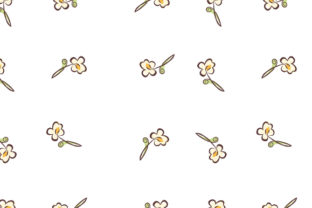
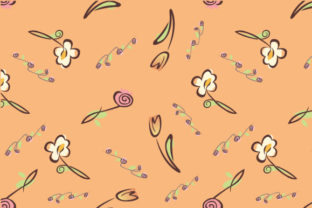
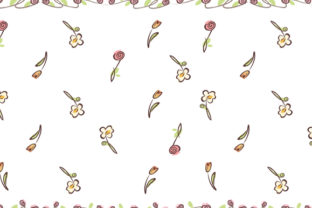
The Small Floral Cute Tulips Pattern is defined by a reduced scale and a softened, approachable illustration style. Unlike realistic botanical studies or large-scale tropical prints, this pattern utilizes simplified shapes and a repetitive layout to create a texture rather than a focal point. The "cute" designation usually implies rounded edges, pastel or soft color palettes, and a lack of harsh contrast. Technically, the inclusion of a seamless vector EPS file is the primary value driver. Vector formats allow for infinite scaling without pixelation, which is essential for printing on varying substrate sizes, from small stationery items to large-format home textiles. The accompanying JPG serves as a quick-reference proof or a ready-to-use raster option for web-based mockups where vector editing is unnecessary.
The white background specification is equally significant. A white base provides maximum versatility for recoloring and layering. It allows designers to easily isolate the tulip motifs using standard selection tools or blend modes. However, it also means the file is optimized for light substrates. Users intending to print on dark fabrics will need to perform additional prepress work to invert colors or create a new background layer, adding time to the production workflow.
Primary Use Cases and Strategic Fit
This pattern is most effective when the design goal is to evoke freshness, innocence, or springtime renewal without overwhelming the viewer. Evaluating whether this asset fits your project involves assessing the target demographic and the physical application. The Small Floral Cute Tulips Pattern is frequently selected for:
- Children’s Apparel and Textiles: The small scale and gentle aesthetic are industry standards for baby clothes, nursery bedding, and children's accessories. The pattern acts as a gender-neutral or feminine-leaning neutral that photographs well for e-commerce.
- Stationery and Paper Goods: Greeting cards, wrapping paper, and journal covers benefit from the seamless nature of the vector file. The small repeat size ensures that even compact items display multiple full cycles of the pattern, maintaining visual coherence.
- Spring and Easter Packaging: Seasonal product lines often require thematic consistency. This tulip motif offers a recognizable seasonal cue that is subtle enough to serve as a backdrop for typography and product photography.
- Digital Backgrounds and UI Elements: For web designers, the JPG version provides a lightweight texture for website headers or social media templates. The white background integrates seamlessly with standard web layouts without requiring complex masking.
If your project falls within these categories, the Small Floral Cute Tulips Pattern likely offers a strong balance of aesthetic appropriateness and technical utility. The vector format specifically supports the iterative nature of packaging design, where dielines and dimensions change frequently during the prototyping phase.
Benefits of the Vector and Raster Combination
The dual-file delivery system addresses distinct stages of the design workflow. The EPS file is the master asset. Its primary benefit is editability. Designers can adjust the colorway to match specific Pantone references, resize individual tulip elements, or alter the spacing between motifs to suit different fabric widths. This flexibility extends the lifespan of the asset, allowing it to be adapted for multiple SKUs or seasonal variations without purchasing new licenses. Furthermore, vector files produce crisp edges at any resolution, eliminating the risk of aliasing or blurriness in high-DPI print production.
The JPG file, while less flexible, offers immediate usability. It reduces friction for stakeholders who need to visualize the concept but lack vector software. It also serves as a low-risk testing ground; designers can apply the JPG to 3D mockups or digital presentations to validate the scale and density of the Small Floral Cute Tulips Pattern before committing to detailed vector customization. This separation of master and reference files streamlines collaboration between creative teams and clients.
Tradeoffs and Practical Considerations
Despite its versatility, this pattern type carries inherent tradeoffs that must be weighed during the selection process. The "cute" and "small" attributes, while beneficial for specific niches, limit the pattern's impact in other contexts. On large surfaces like upholstery or drapery, a small-scale repeat can sometimes appear busy or visually noisy from a distance. It may lack the bold graphic presence required for statement pieces or adult-oriented fashion. Designers working on large-format projects should test the scale physically or via accurate digital mockups before finalizing their choice.
Additionally, the white background constraint requires consideration regarding ink coverage and substrate compatibility. Printing white ink on colored fabric is technically challenging and expensive. If the end product is a navy blue garment, using this pattern as-is is not feasible. The designer must either recolor the background (which negates the white base advantage) or accept that the white areas will be the color of the fabric. This makes the Small Floral Cute Tulips Pattern inherently biased toward white, cream, or pastel base materials.
File management is another practical factor. While EPS is a universal standard, compatibility can vary between software versions. Users relying on older versions of Adobe Illustrator or non-Adobe vector tools should verify that the EPS opens correctly and retains editable paths. Occasionally, complex gradients or effects in vector patterns can cause rendering issues; checking the file integrity upon download is a necessary quality control step.
When to Consider Alternatives
Objective evaluation requires recognizing when an asset is not the right solution. You should consider alternatives to the Small Floral Cute Tulips Pattern if:
- The Brand Voice is Bold or Luxury: If the project demands sophistication, drama, or high-contrast visuals, a "cute" stylized tulip may undermine the brand positioning. Large-scale damasks, abstract florals, or photorealistic botanicals are often more appropriate for premium markets.
- The Substrate is Dark or Textured: As noted, the white background limits utility. If you are designing for denim, black cotton, or heavily textured linen, seek a pattern delivered with a transparent background or a dark base to avoid extensive rework.
- Scale Flexibility is Not Required: If the application is strictly digital or fixed-size print (like a standard business card), the premium associated with vector assets may be unnecessary. A high-resolution raster-only alternative might suffice and offer more complex shading or painterly details that vectors cannot replicate easily.
- Uniqueness is Paramount: Tulips are a common motif in stock libraries. If brand differentiation is the primary KPI, a generic cute tulip pattern may feel too familiar. Commissioning custom artwork or selecting a highly abstracted floral might provide the distinctiveness required.
Making the Final Selection Decision
Ultimately, the decision to utilize the Small Floral Cute Tulips Pattern should be driven by alignment between the asset’s characteristics and the project’s functional constraints. It is a specialized tool best suited for light-colored, small-to-medium scale applications targeting audiences that respond to soft, traditional, or youthful aesthetics. The inclusion of both EPS and JPG formats provides a safety net for both production and presentation phases, maximizing the asset's return on investment.
Before licensing or downloading, verify the specific repeat size and color mode (CMYK vs. RGB) of the files to ensure they match your production pipeline. Test the scale against your actual product dimensions, not just screen previews. By approaching the Small Floral Cute Tulips Pattern with a focus on technical fit and strategic application rather than mere visual preference, designers can ensure the selected pattern contributes effectively to the success of the final product.