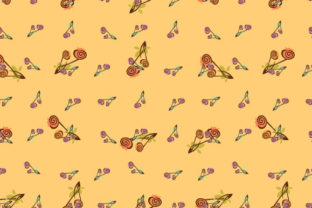
Designing with Small Floral Tulips Pattern Seamless Assets: A Practical Guide for Creatives
The search for the perfect background texture often leads designers down a rabbit hole of generic florals and overused botanicals. However, finding a high-quality Small Floral Tulips Pattern Seamless asset can completely transform the aesthetic of a project without overwhelming the primary content. Unlike large-scale botanical illustrations that demand center stage, small-scale tulip motifs offer a subtle elegance that serves as a supportive foundation for typography, product photography, and UI elements. When sourced correctly, specifically in versatile formats like vector EPS and JPG, these patterns become indispensable tools in a modern designer’s arsenal.
The Strategic Advantage of Seamless Tiling
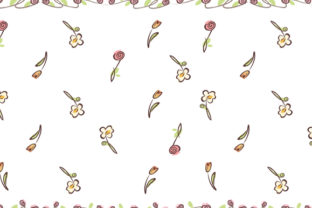
The defining characteristic of any professional surface pattern is its ability to repeat without visible breaks. A true Small Floral Tulips Pattern Seamless design ensures that when the image is tiled across a screen or printed on fabric, the eye cannot detect where one tile ends and the next begins. This technical precision is what separates premium assets from amateur creations.
In digital workflows, seamlessness allows for responsive adaptability. Whether you are designing a mobile app interface or a wide-format website banner, the pattern adjusts fluidly to any dimension. For print applications, such as wrapping paper or textile manufacturing, seamless tiling reduces waste and simplifies the production setup. The small scale of the tulips is particularly advantageous here; it creates a dense, rich texture that reads as a solid color from a distance but reveals intricate detail upon closer inspection. This duality makes it exceptionally useful for backgrounds where readability of foreground text is paramount.
Understanding the Dual-Format Workflow
Most professional pattern packs include two distinct file types: a vector EPS and a raster JPG. Understanding when and how to use each format is critical for maintaining quality across different media.
- Vector EPS (Encapsulated PostScript): This is your master file. Because it is mathematically defined rather than pixel-based, the EPS version of the Small Floral Tulips Pattern Seamless can be scaled infinitely without losing crispness. It is editable in software like Adobe Illustrator or Affinity Designer, allowing you to change the color palette, adjust the spacing between tulips, or isolate individual elements for new compositions. Use this format for branding materials, large-format signage, packaging design, and any project requiring future modifications.
- JPG (Joint Photographic Experts Group): This is your deployment file. Pre-rendered at a high resolution, the JPG offers immediate usability without the processing overhead of vector software. It is ideal for web backgrounds, social media graphics, digital presentations, and quick mockups. While not editable in the same way as an EPS, the JPG provides a lightweight, universally compatible option for fast-paced projects.
Color Customization and Brand Alignment
One of the most significant benefits of working with the vector EPS version of a floral pattern is the ability to recolor the artwork instantly. Tulips are culturally associated with spring, renewal, and vibrant hues, but your specific project might require a muted, earthy tone or a strict corporate monochrome. With a vector file, changing the entire mood of the Small Floral Tulips Pattern Seamless takes seconds using global swatches or recolor artwork tools.
This flexibility extends beyond simple hue shifting. Designers can adjust saturation to create watercolor-like effects or increase contrast for bold, graphic statements. For seasonal campaigns, the same base pattern can transition from pastel pinks for Easter to deep crimsons for Valentine's Day, maximizing the return on investment for a single asset. This adaptability ensures the pattern remains relevant across multiple quarters and diverse client needs.
Applications Across Industries
The versatility of small-scale floral vectors extends far beyond greeting cards. Modern industries utilize these patterns to add organic warmth to otherwise sterile environments.
- Fashion and Textiles: Small tulip repeats are staples in dressmaking, scarf design, and children’s wear. The scale is flattering on garments and doesn't distort over seams as easily as larger motifs. The vector format allows manufacturers to output directly to digital fabric printers or create screens for traditional printing.
- Packaging Design: Cosmetic brands, tea companies, and artisanal food producers frequently use floral backgrounds to signal natural ingredients and craftsmanship. A seamless pattern wraps around boxes and bottles without awkward cutoffs, creating a premium unboxing experience.
- Stationery and Wedding Suites: Invitations, save-the-dates, and thank-you cards benefit from the romantic connotation of tulips. Using the pattern as a low-opacity background layer adds depth to cardstock without competing with calligraphy or essential event details.
- Digital Interfaces: Wellness apps, gardening blogs, and lifestyle e-commerce sites use these patterns to soften user interfaces. The repetitive nature of a seamless pattern can actually reduce cognitive load by providing a predictable, calming visual rhythm behind interactive elements.
Technical Considerations for Print vs. Screen
While the asset includes both formats, successful implementation requires attention to technical specifications. For print projects utilizing the Small Floral Tulips Pattern Seamless, always work in CMYK color mode. Vector files are typically easy to convert, but if using the JPG, ensure it was originally created or properly converted for print to avoid muddy colors. Pay close attention to DPI; 300 DPI is standard for commercial printing, while some textile applications may require higher resolutions depending on the weave of the fabric.
For digital use, RGB is mandatory. The JPG format should be optimized for web delivery. Even though the source file is high-resolution, serving a 5MB background image will destroy page load speeds. Export compressed versions at 72 PPI or use modern formats like WebP derived from the original JPG. In CSS, utilizing background-repeat: repeat; with a properly sized tile ensures the pattern fills any viewport efficiently without downloading massive image files.
Evaluating Quality Before Licensing
Not all seamless patterns are created equal. When selecting a Small Floral Tulips Pattern Seamless resource, scrutinize the preview images for common flaws. Check the edges of the tile carefully; even a one-pixel misalignment will create visible grid lines when repeated. Examine the complexity of the vector paths; overly complex anchors can cause rendering issues in older software or slow down browser performance when used as SVGs on the web.
Additionally, consider the artistic style. Is the tulip illustration hand-drawn with organic imperfections, or is it geometrically precise? Hand-drawn vectors tend to feel more authentic and human, which aligns well with current design trends favoring "imperfect" aesthetics. Geometric styles, conversely, suit tech-forward or minimalist brands better. Matching the illustration style to the brand voice is just as important as the technical seamlessness of the file.
Integrating Patterns into Composite Designs
A pattern rarely exists in isolation. Effective design involves layering the Small Floral Tulips Pattern Seamless with other elements. When using the pattern as a background, employ blending modes like Multiply, Overlay, or Soft Light to integrate it with solid colors or photographs. This prevents the pattern from looking like a flat sticker pasted onto the design.
Typography pairing is equally crucial. Small floral patterns generally pair best with clean sans-serifs or elegant serifs. Avoid highly decorative display fonts that might clash with the organic curves of the tulips. Ensure sufficient contrast between the text and the patterned background; if the pattern is too busy, place a semi-transparent solid shape behind the text block to maintain accessibility standards. The goal is harmony, where the floral motif enhances the message rather than distracting from it.
Future-Proofing Your Asset Library
Investing in vector-based seamless patterns is a long-term strategy. Unlike trend-driven raster images that expire quickly, classic floral motifs like tulips possess timeless appeal. By maintaining the editable EPS files in an organized asset library, designers build a reusable resource that pays dividends over years of projects. Tagging files with metadata regarding color profiles, tile dimensions, and licensing terms streamlines future retrieval.
Ultimately, the value of a Small Floral Tulips Pattern Seamless package lies in its balance of beauty and utility. It bridges the gap between artistic expression and functional design requirements. Whether delivered via the flexible EPS for custom branding or the ready-to-use JPG for rapid deployment, this asset type empowers creators to infuse projects with natural sophistication while maintaining rigorous professional standards. Understanding the nuances of format, scale, and application transforms a simple decorative element into a powerful component of visual communication.